Acquisition Calling & Meeting Scheduling

Turn researched target lists into scheduled first conversations.

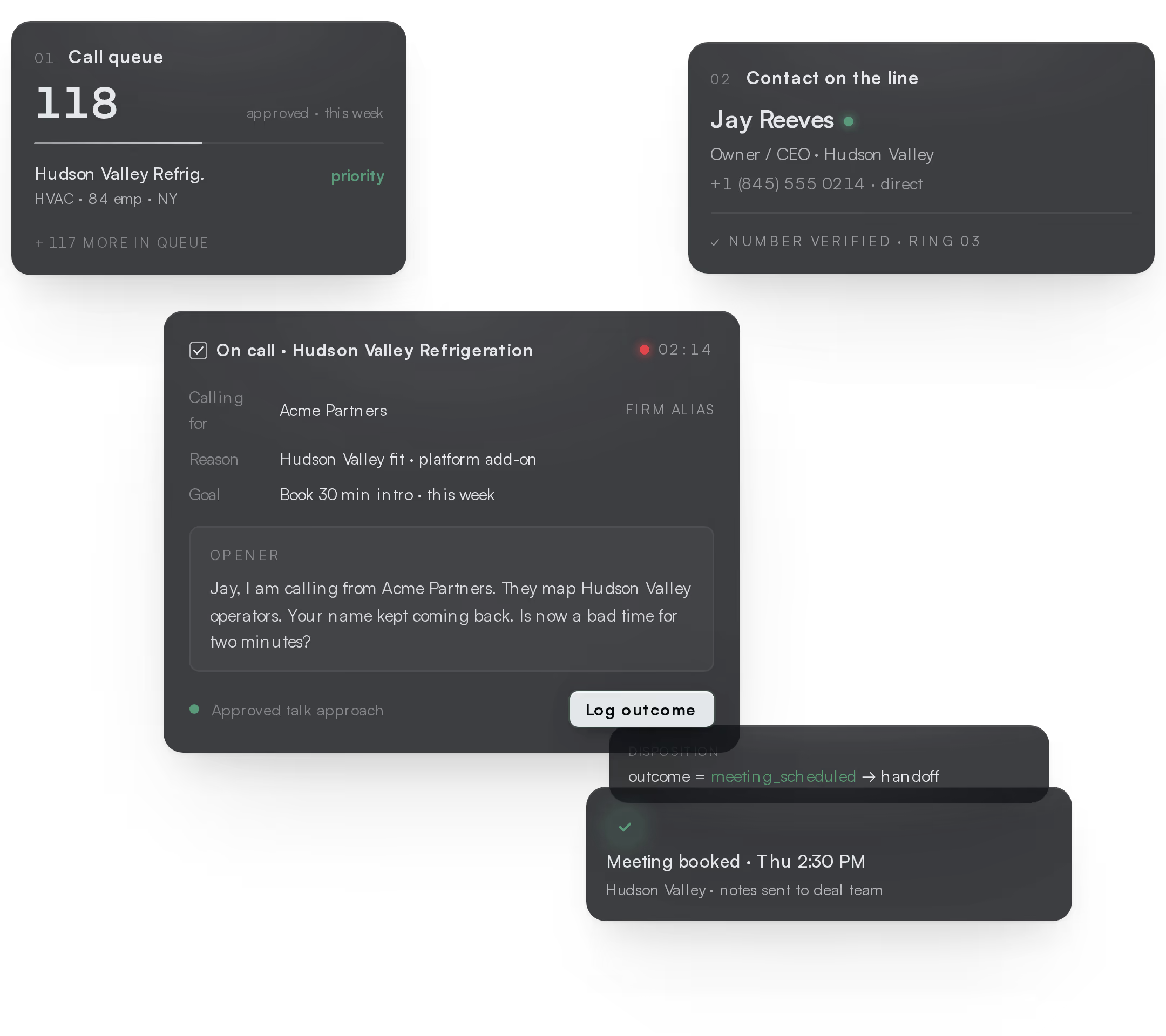
CapTarget calls approved target lists on your behalf, schedules first meetings, logs call outcomes, flags bad contacts, captures pass reasons, and sends your team the notes needed to decide what happens next.

Use this when your team has companies, brokers, advisors, owners, executives, operators, or other acquisition-relevant contacts that need direct phone outreach, not another untouched list.

Hero artifact
Client logos
1,500+ clients served historically across buy-side search and deal origination
Where this fits

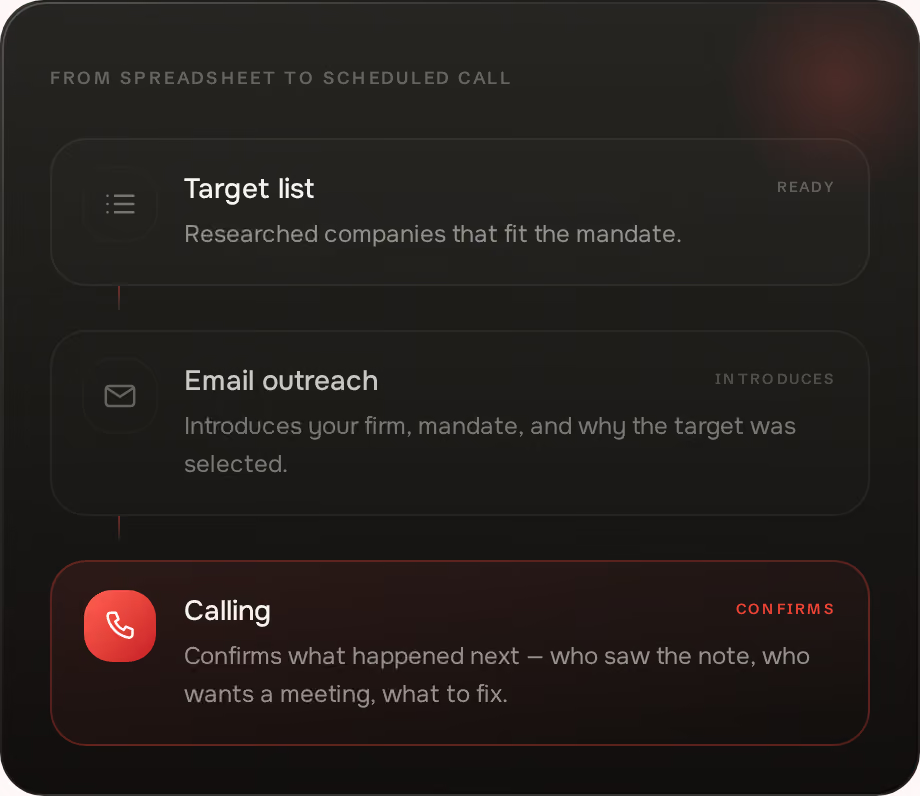
Calling turns researched lists and email outreach into clearer next steps.

A target list does not create conversations by itself.

Email can introduce your firm and acquisition interest, but important contacts may not see it, may not understand why they were selected, or may need a direct call before they schedule.
Calling gives the list a second path: reach the right person, confirm interest, schedule a first meeting, or remove the target from the queue.
It also captures pass reasons, fixes the contact record, and surfaces targets worth another touch.
Numbers go stale, gatekeepers reroute, owners change. Only a live call surfaces it.

Use Acquisition Calling when your team needs approved target lists worked by phone, either after off-market email outreach, after list building, or from a list your team already has.

01 · Direct Contact LaneCall queue + contact verification
Why email and calling work together

Email gives the call context. Calling gives the list movement.

When a target has already received an approved email, the call does not start from zero.

The caller can reference the outreach and explain the acquisition interest in plain language.
Confirm the right contact, or identify who should be reached instead.
Ask whether a first conversation makes sense, or capture the reason it does not.
Move warm contacts to a meeting while the outreach is still fresh.

That does not mean every target needs both. It means the strongest coverage plan usually gives important targets more than one path to respond.

02 · Email + Phone TandemTwo paths to the right person
Use this when

Seven signs the list is the bottleneck, not the market.

Calling is the right lane when one or more of the following is true for your team.

Researched list, not enough meetings: companies fit the mandate, but the list is not turning into scheduled conversations.
Email campaign needs phone support: emails are going out, but important targets still need a direct call.
Client list needs execution: your team has a list but no internal capacity to call through it consistently.
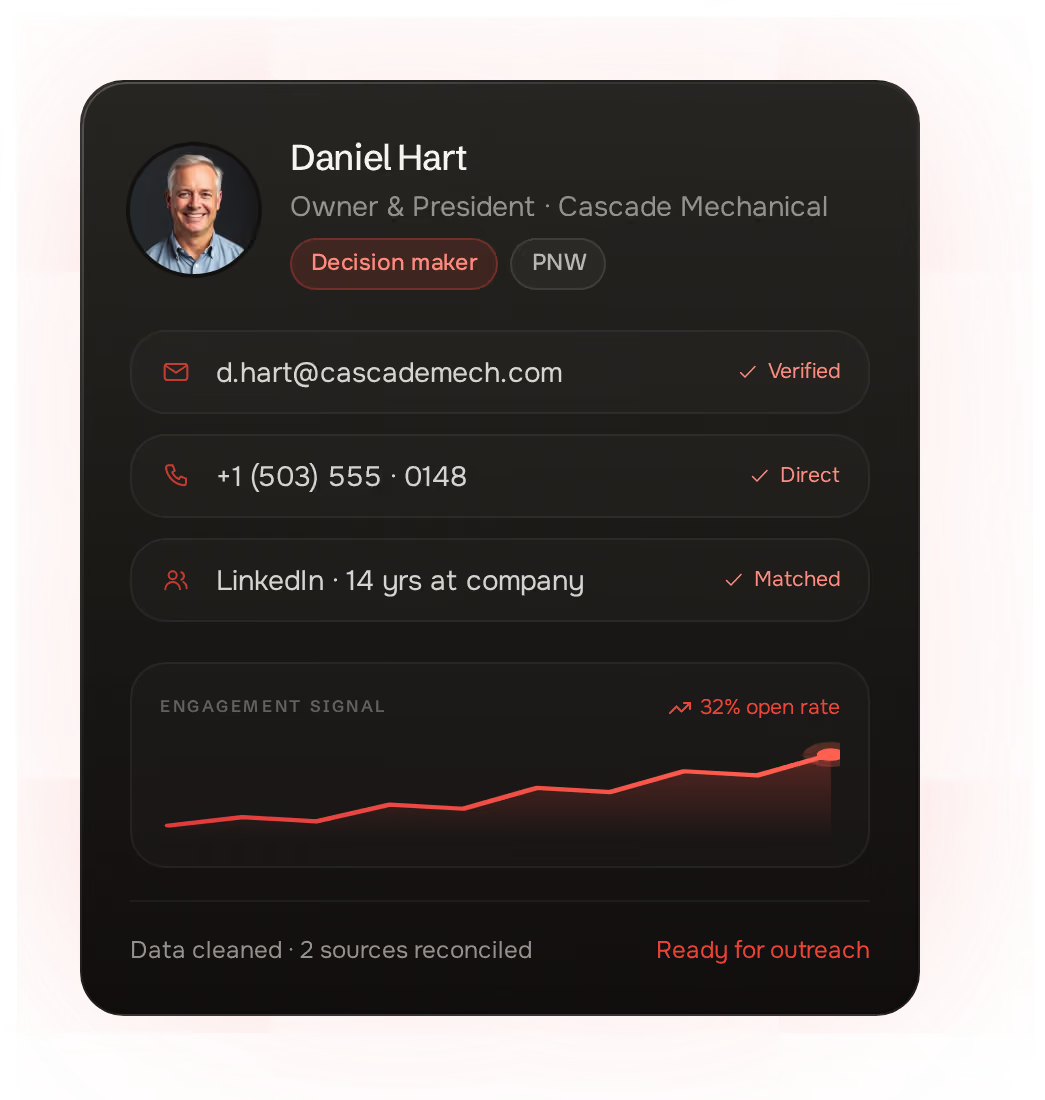
List quality is unclear: wrong contacts, bad numbers, outdated records, or companies that no longer fit.
Gatekeepers block the right person: the listed contact may not be the owner or executive responsible.
Narrow market, limited targets: every contact record matters and must be reached or ruled out.
First meetings need to be scheduled: interested targets should land on a calendar, not in a notes file.
02 · Trigger SignalsWhen phone work is the right lane
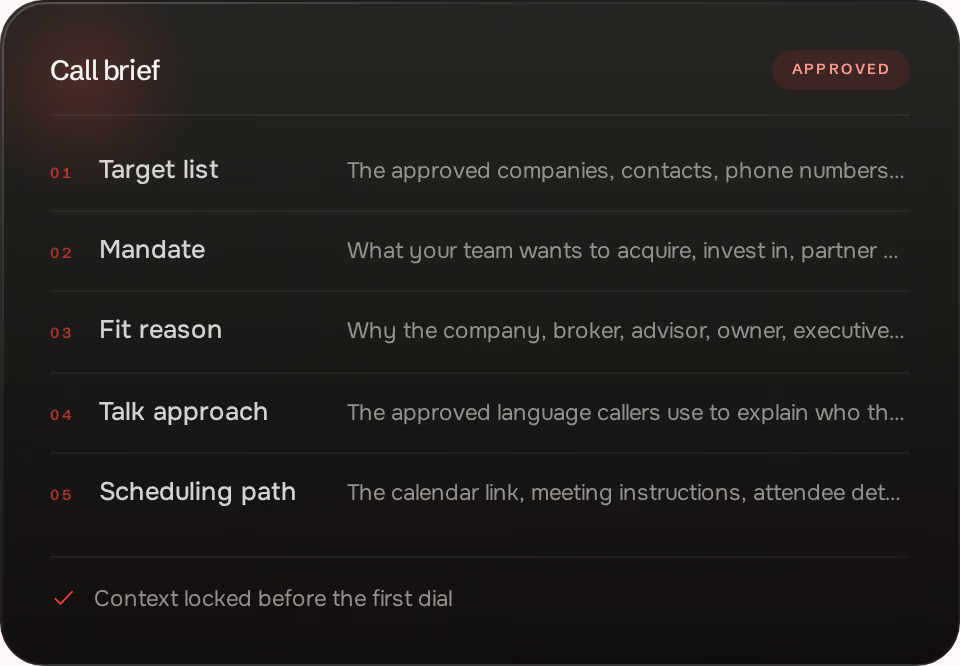
What CapTarget prepares before calling

Before the first dial, seven things are written down and approved by your team.

Before calling begins, CapTarget prepares the information needed to represent the outreach correctly. Your team approves each piece below.

Target list: the approved companies, contacts, phone numbers, and list segments to work.
Buyer mandate: what your team wants to acquire, invest in, partner with, or learn more about.
Fit context: why the company, broker, advisor, owner, executive, or operator is on the list.
Approved talk approach: the core language callers use to explain who they are calling for and why.
Scheduling path: calendar link, meeting instructions, attendee details, and handoff process.
Disposition rules: the call outcomes your team needs tracked, from meeting scheduled to bad number.
Follow-up rules: what happens after each outcome, from booking a meeting to removing the target.
03 · Operating BriefCall-ready briefing packet
What callers are trying to learn

Every call should clarify the record, the contact, or the next step.

CapTarget callers are not calling to check a box. Each call is used to determine:

Is this the right company?
Is this the right person? Is the phone number valid?
Does the company still appear to fit the mandate?
Is there interest in a first meeting?
Should more context be sent by email?
Is the timing wrong but worth tracking?
Is there a better contact?
Has the company already sold or entered a process?
Should this target be removed, deprioritized, or called again?

The goal is not only to make calls. The goal is to turn a target list into meetings, corrected records, pass reasons, and clear next steps.

04 · Discovery ProbeWhat every call should clarify
What your team can act on

The weekly read-out: meetings on the calendar, and a list that is more true than it was on Monday.

Your team can review the full operating picture after each calling pass, not just a call log.

Meetings scheduled and call notes for each meeting.
Contact names, roles, and the path that produced each conversation.
Wrong contacts and bad numbers flagged for cleanup.
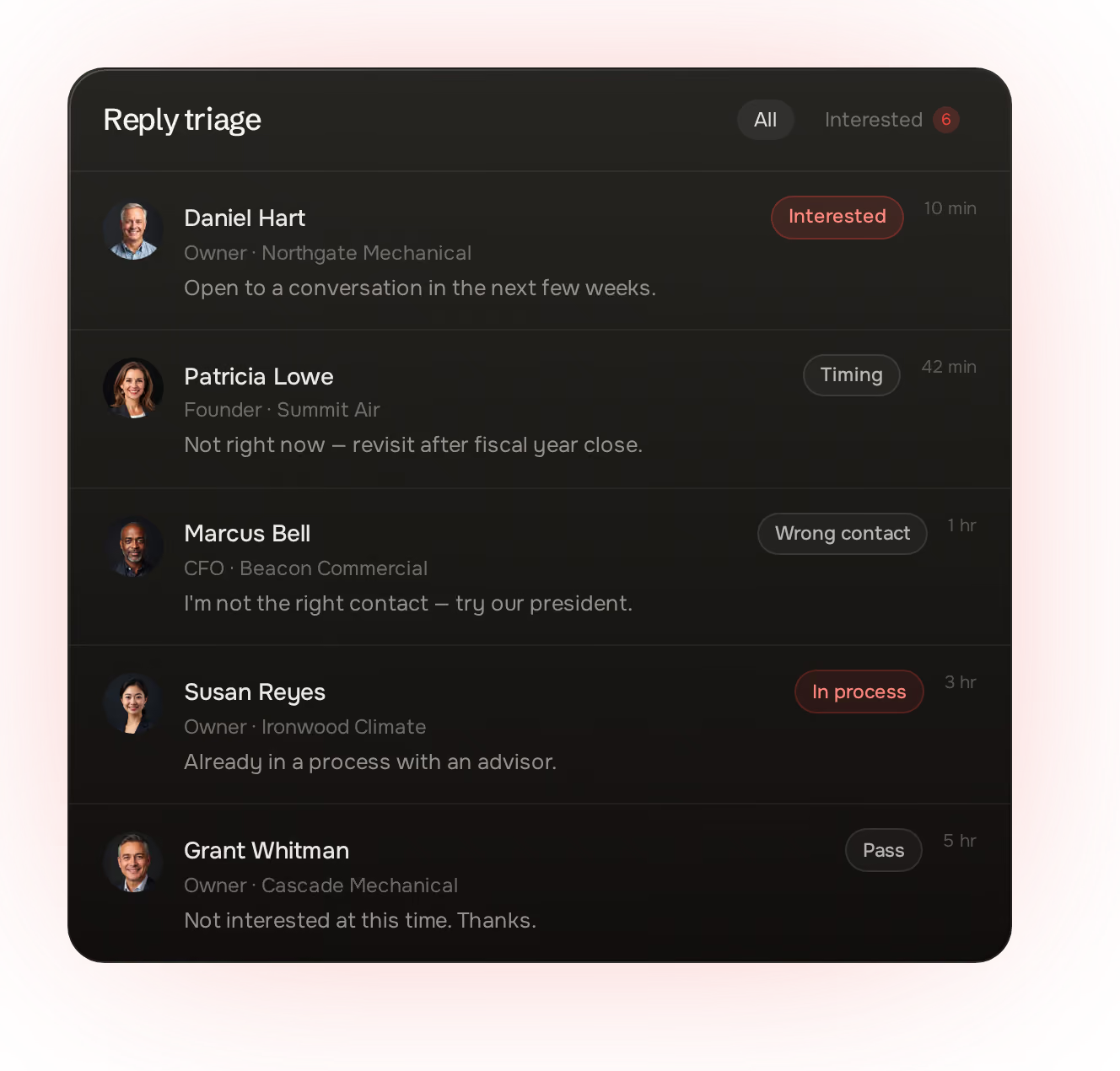
No-fit reasons and no-interest reasons captured by company.
Future follow-up timing and email follow-up opportunities.
Gatekeeper notes and companies already sold or in process.
Targets that need another call and targets to remove from the list.
List segments producing better or worse outcomes.

The value is not just call volume. It is knowing which contacts turned into meetings, which records were wrong, and which targets still deserve another touch.

05 · Calling Read-OutWhat your team reviews each week
How calling improves the list

Calls expose problems research and email may not catch.

Every list looks fine in a spreadsheet. Some of it is not real. Calling is the only way to find out which.

The phone number is wrong.
The listed person no longer works there.
The company has already sold.
The company is too small, or sits outside the mandate.
The owner is not the right contact, or sits behind a gatekeeper.
The contact wants email before scheduling.
The target is interested later, not now.
The market segment is harder to reach than expected.

That information improves the next call pass, the next email pass, and the next list build.

06 · List HygienePhone-level facts the list cannot show
Why the first 60 seconds matter

Sixty seconds to earn the next four minutes.

Most targets are busy. Many receive vendor calls, spam calls, and generic sales outreach. CapTarget callers are trained to explain the reason for the call quickly.

Who they are calling on behalf of.
What the buyer or client is looking for.
Why this target appears relevant.
What type of first conversation is being requested.

The call should not sound like a generic sales pitch. It should sound like a specific reason for a specific contact on a specific target list.

08 · Opening SixtyThe first 60 seconds of every call
What this is not

This is not generic sales development.

Generic sales calling pushes broad prospect lists toward product demos. Acquisition Calling works approved target lists around a specific acquisition, investment, partnership, or market-coverage mandate.

CapTarget never represents itself as an advisor, intermediary, or third party to the deal. It represents only your firm.
CapTarget does not negotiate valuation, structure, price, or deal terms.
CapTarget does not join the first meeting unless separately agreed.
CapTarget's role is to call the approved list, schedule first meetings, capture useful outcomes, and route the next step back to your team.
09 · Scope BoundaryCalling layer, not an advisor seat
Common questions

Acquisition calling, answered plainly.

Start the conversation

Bring us the list you want worked.

Whatever shape your list is in, researched, half-built, stalled, or already emailed once, bring it. We will tell you in one call whether phone work is the right next move, or whether it is not.

1,500+ clients served historically across buy-side search and deal origination.
Reply within 24 hours from a partner.
No deck. No pitch. A read-out of your mandate.
10 · IntakeMandate read-out, scheduled